Retaining Walls in Newcastle: What to Know Before You Build
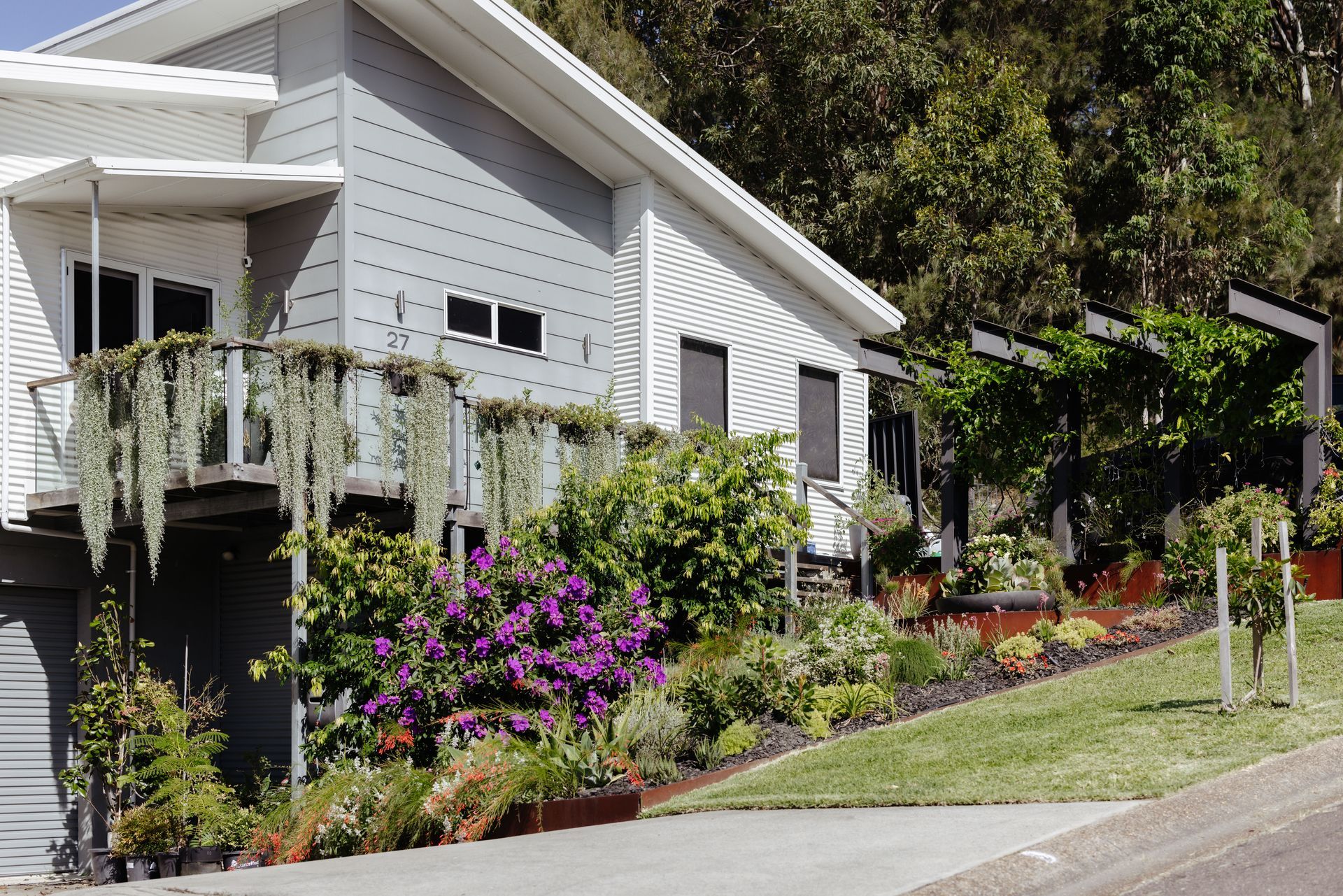
Retaining walls often form the backbone of a functional landscape design. They help manage slopes, prevent soil erosion, improve drainage, and create usable flat spaces. For many Newcastle area homeowners, adding a retaining wall is a smart first step when reshaping a backyard.
Why retaining walls matter
If your block has a slope or uneven ground, a retaining wall can stabilise earth, prevent erosion, and create flat terraces. That makes space for lawns, patios, or garden beds.
Common materials and when to use them
- Concrete block walls: strong, often waterproof when required, ideal near pools or where water runoff is large.
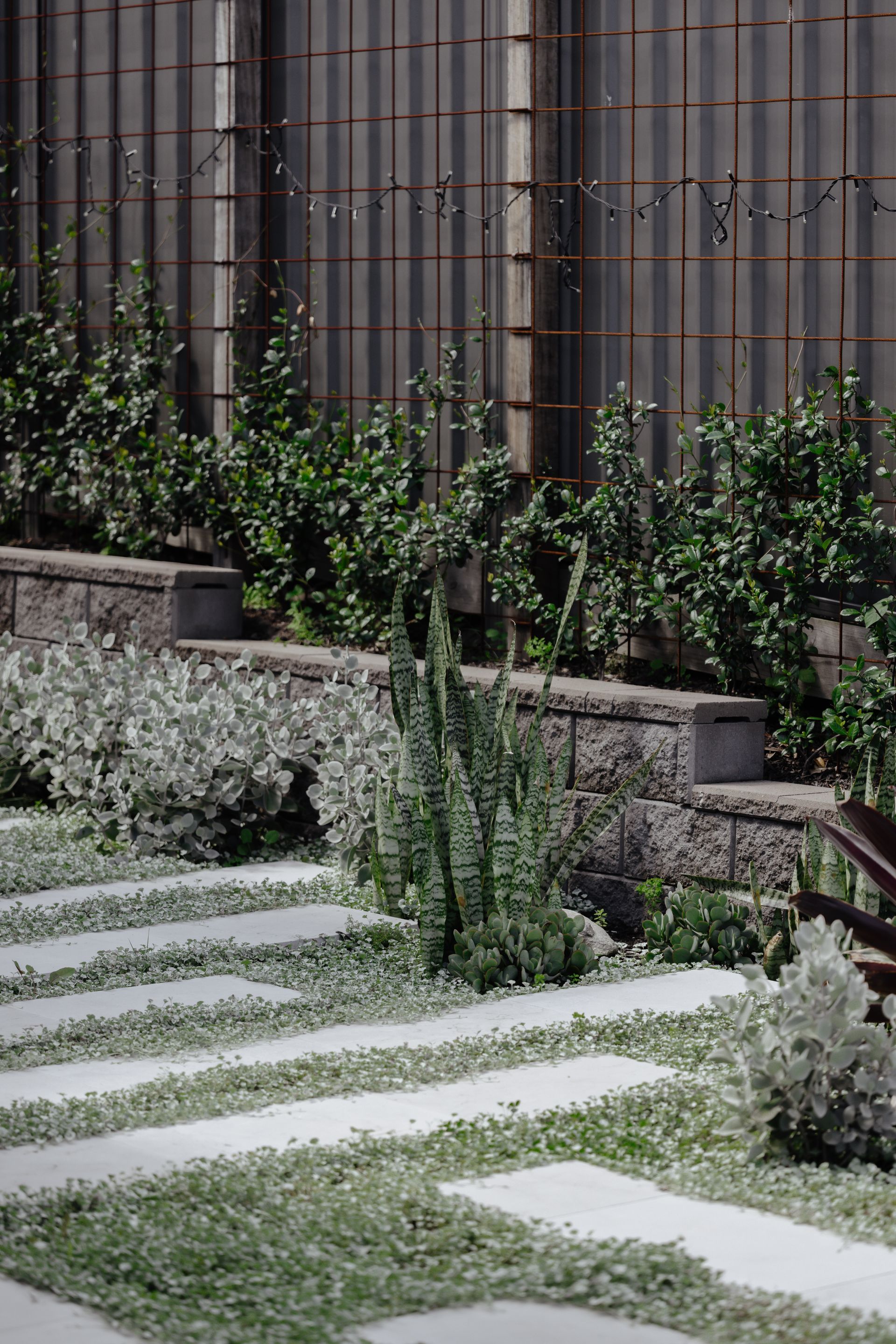
- Concrete sleeper walls with steel support: suitable for moderate slopes and visually neat finishes.
- Timber walls: cost-effective for small retaining jobs, but best for low walls and dry areas.
When engineering or approvals may be required
High retaining walls, walls close to boundaries, or walls close to other structures may need engineering certification or council approval. Good landscapers assess this and guide you through compliance.
Design considerations beyond structure
Think about drainage, waterproofing, soil type, and how the wall integrates with your garden design. A well planned wall doesn’t just hold soil — it enhances your outdoor layout and aesthetic.
If you need a retaining wall built right — safe, functional and attractive — a consultation with experienced professionals like MJM Landscapes is a good first step.